

Hello friends! I’m taking a week off of posting (aside from this) because I’m traveling for the next several days. As you may recall, I’ve been hopping from one town or city to the next each month as a “digital nomad,” made possible by an income of only $20k a year. (I explain how here.)
I just left North Macedonia, in the Balkans. It’s a beautiful (middle-income) country, with some marvelous hidden gems and an extraordinary history. For example, during the period of Classical Greece, king Philip II of Macedonia unified much of Greece, enabled by his rather terrifying martial innovation, the Macedonian phalanx. His son, Alexander the Great, who was tutored by Aristotle, then conquered the Persian Empire to the east.
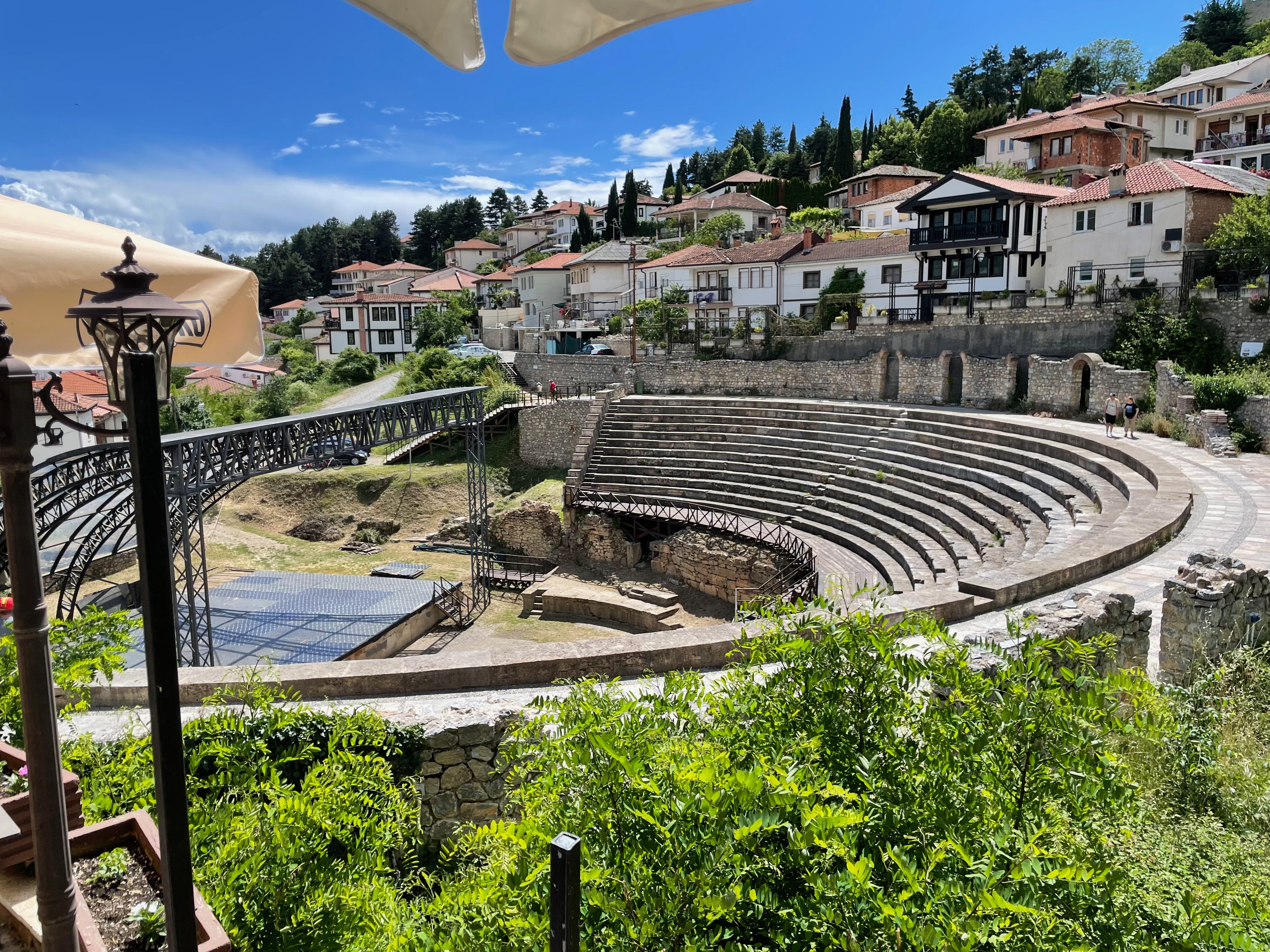
Some history basics: the Classical Period extended from the final Athenian tyrant’s fall in 510 BCE until Alexander the Great’s untimely demise in 323 BCE. It was during this period that Socrates, Plato, and Aristotle philosophized. This was followed by the Hellenistic period, during which people in Macedonia built structures — like the amphitheater shown below — that I was lucky enough to see while visiting. The Hellenistic period begins with Alexander the Great’s death and extends almost to the birth of Christ — i.e., to 30 BCE, when Cleopatra died. Cleopatra was the last de facto Egyptian pharaoh and a direct descendant of the Macedonian general Ptolemy I Soter, who founded the Ptolemaic Kingdom — of Egypt, which Cleopatra ruled — and was a contemporary of Alexander the Great. Fascinating stuff!
The reason North Macedonia includes “North” in its name is rather amusing: the country wants to become part of the European Union, but the Greeks, who are already part of the EU, objected to “Macedonia” without the “North.” The reasoning is that the Macedonian kingdom of Philip II and his son Alexander the Great included most of Greece, and hence the current state of Macedonia covers only the northern portions of this empire. Under Article 49 of the Treaty on European Union, all members states must unanimously vote to allow new states to join, which means that Macedonia needs to get Greece on board. Hence, they changed the name to “North Macedonia” in hopes of appeasing Greece so it votes “yes.” If you talk to people here, it’s Macedonia. But if any Greeks are listening, it’s North Macedonia!
(EDIT: See Wolfgang’s comment below for some clarification. He knows more about this issue than I do!)
***
After spending April in London with a good friend, I spent the past two months sojourning in a lovely lakeside city in Macedonia called Ohrid (pronounced Oak-rid), surrounded by snowcapped mountains (until the snow melted), lush vegetation, and beautiful water. Here’s what Wikipedia says about the place:
Ohrid … is the largest city on Lake Ohrid and the eighth-largest city in the country, with it recording a population of over 38,000 inhabitants as of 2021. Ohrid is known for once having 365 churches, one for each day of the year, and has been referred to as the “Jerusalem of the Balkans”.
(Note that there are also plenty of mosques!)
The city is rich in picturesque houses and monuments, and tourism is predominant. … In 1979 and in 1980, respectively, Ohrid and Lake Ohrid were accepted as Cultural and Natural World Heritage Sites by UNESCO. Ohrid is one of only 40 sites that are part of UNESCO’s World Heritage that are Cultural as well as Natural sites.
I’m sharing some videos and pictures of the city below, along with a few captions. Now off to Western Europe, where I’ll have to endure much hotter temperatures! Once I settle in, I’ll publish a lengthy article (next week) on the TESCREAL ideologies, exploring them from a novel perspective. I’m looking forward to it! Wishing everyone the very best, Émile
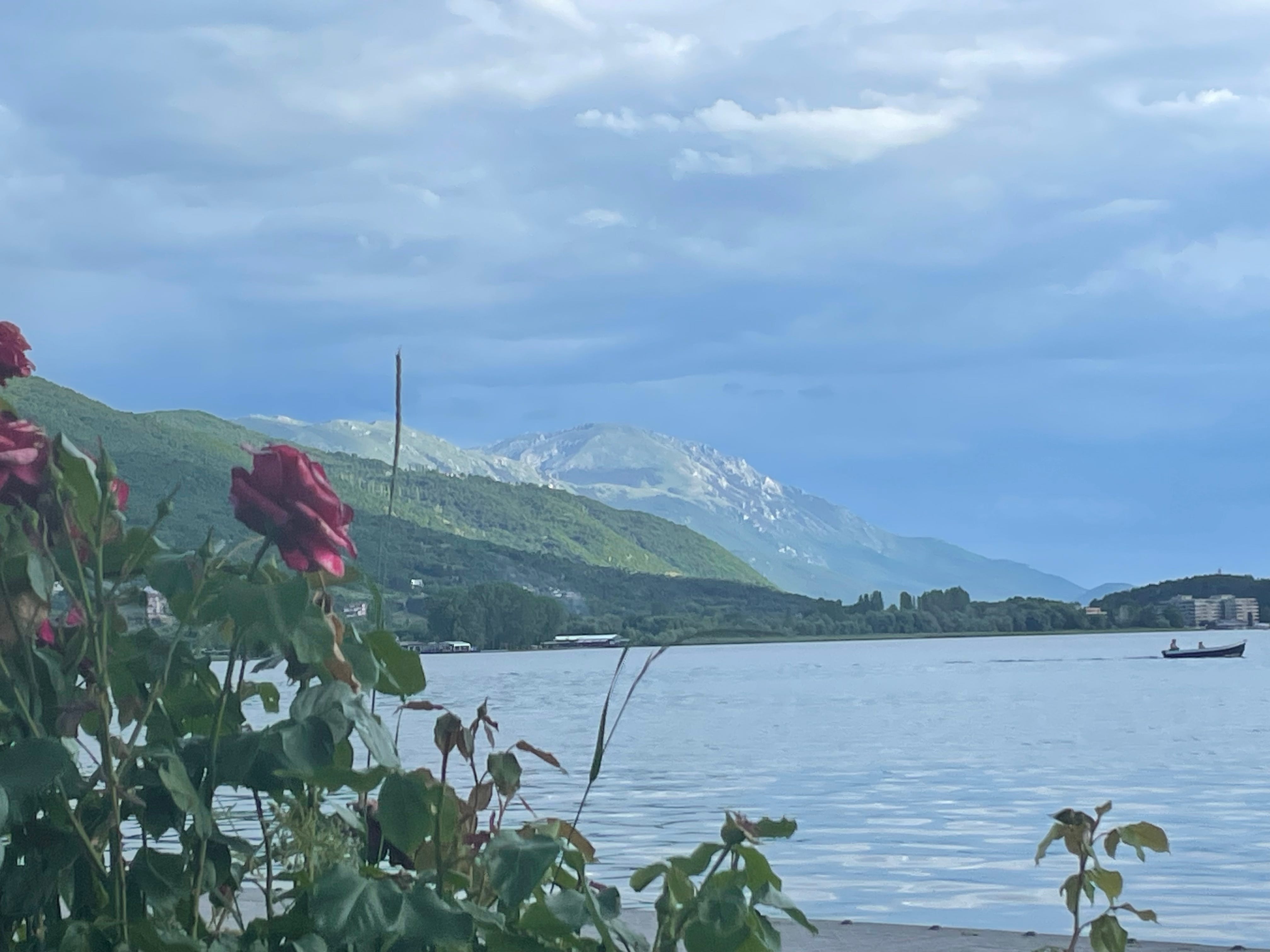
View of Lake Ohrid from the lawn outside a cafe that I frequented. Many of my articles over the past several weeks were written here:
A lovely wooden walkway that winds around the hilly old section of the city:
View on the edge of the old city, where the stunning Church of Saint Jovan the Theologian at Kaneo — built sometime before 1447 — is located. You’ll see it at the end:
One of the first videos that I took during a morning run. This is on the opposite side of the hill where the old city is located, about a 10/15-minute walk to the Church of Saint Jovan:
Below is the magnificent Ancient Theatre of Ohrid, a 20-second walk from where I stayed in the heart of the old city. It was built circa 200 BCE, meaning that it dates back to the middle-ish era of the Hellenistic period. Spectators witnessed gladiator fights (!), as well as Roman executions of Christians. The latter was met with such hostility by locals that they subsequently buried the structure in disgust, thus inadvertently preserving it for future generations. It was accidentally rediscovered in the 1980s!
Walking up to my apartment through the old city:
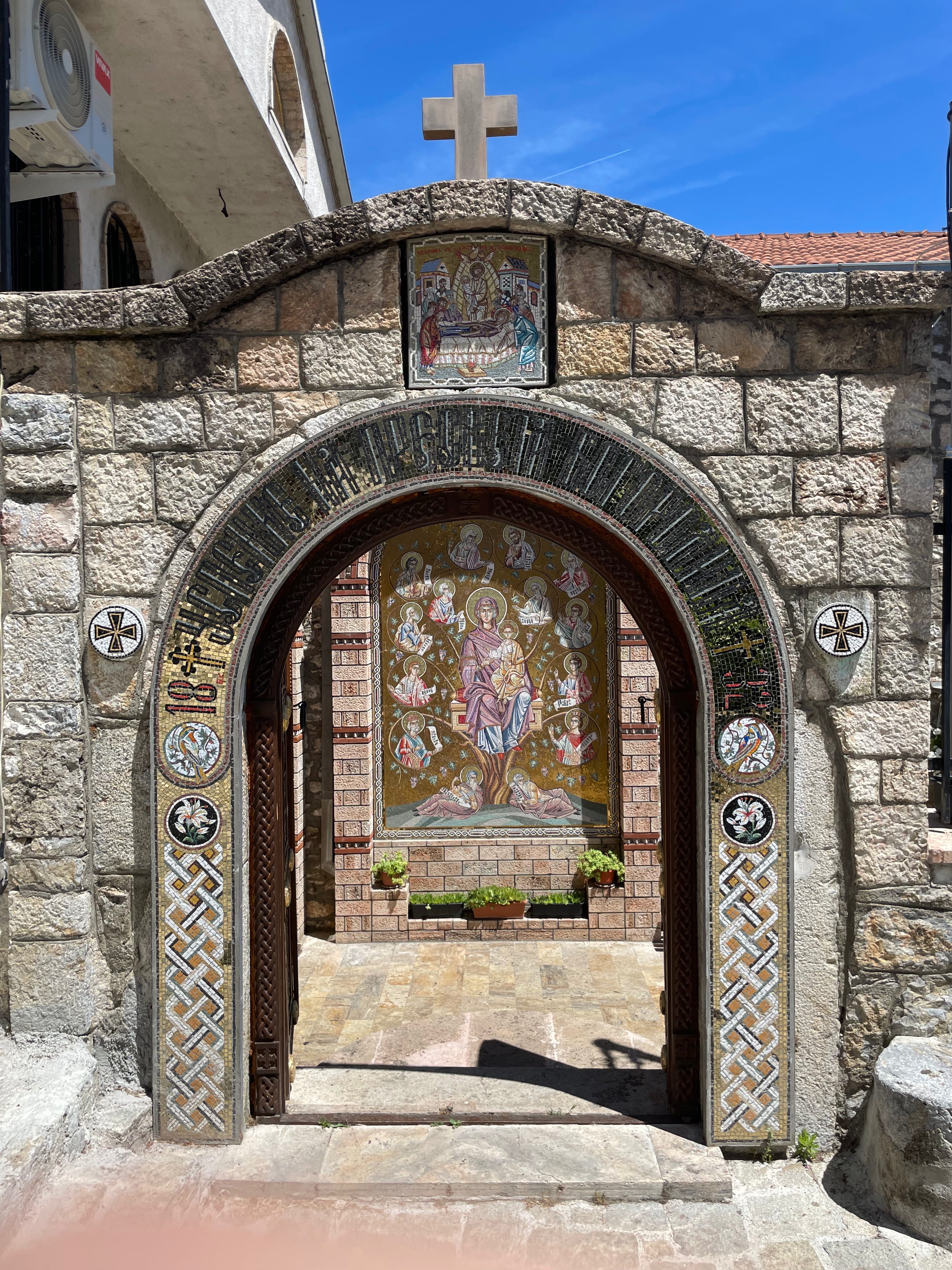
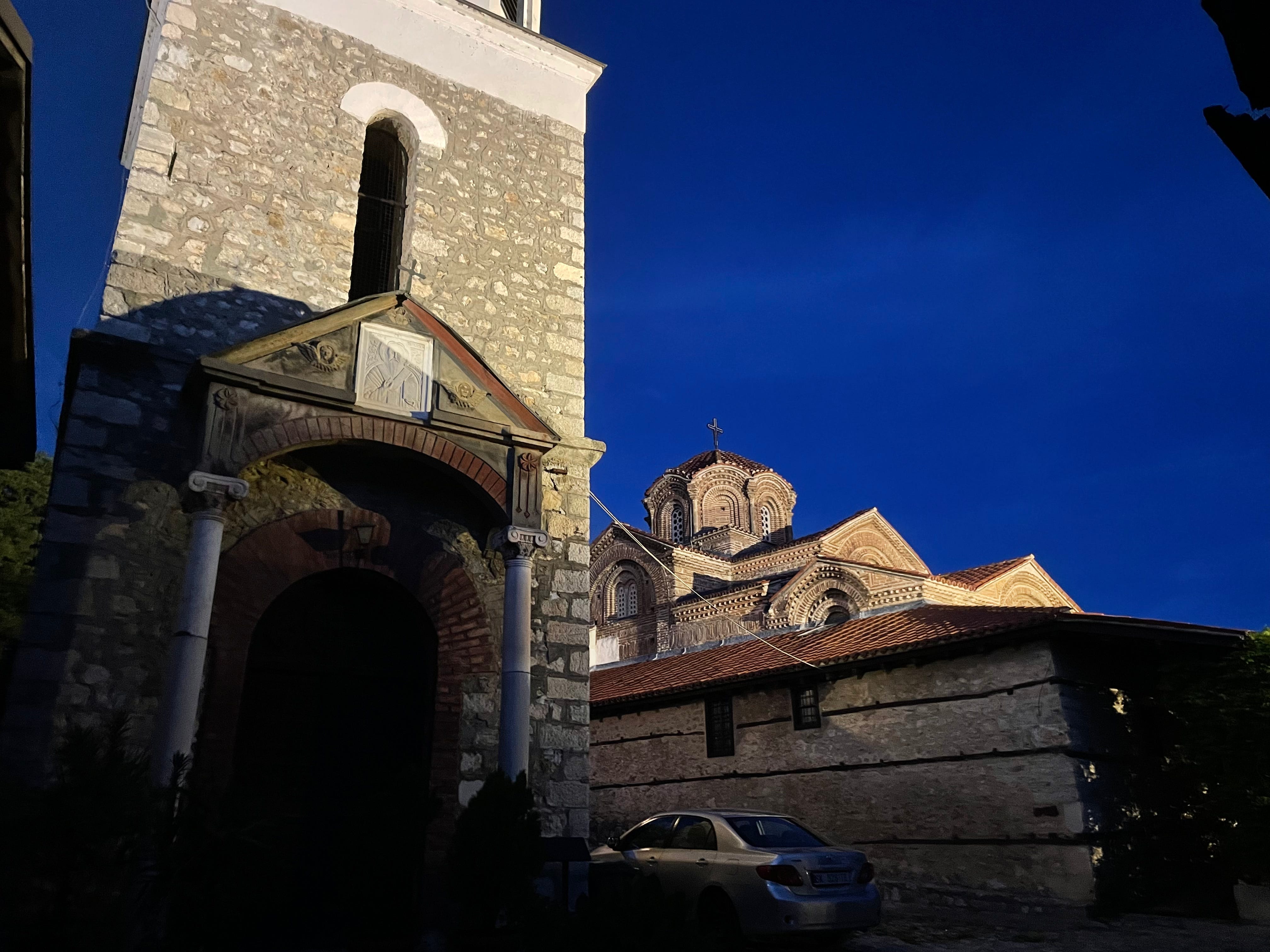
Gateway to one of the 365 churches in Ohrid!
Another view of my “office” on the grass next to the lake. The distant mountain was covered in snow when I first arrived:
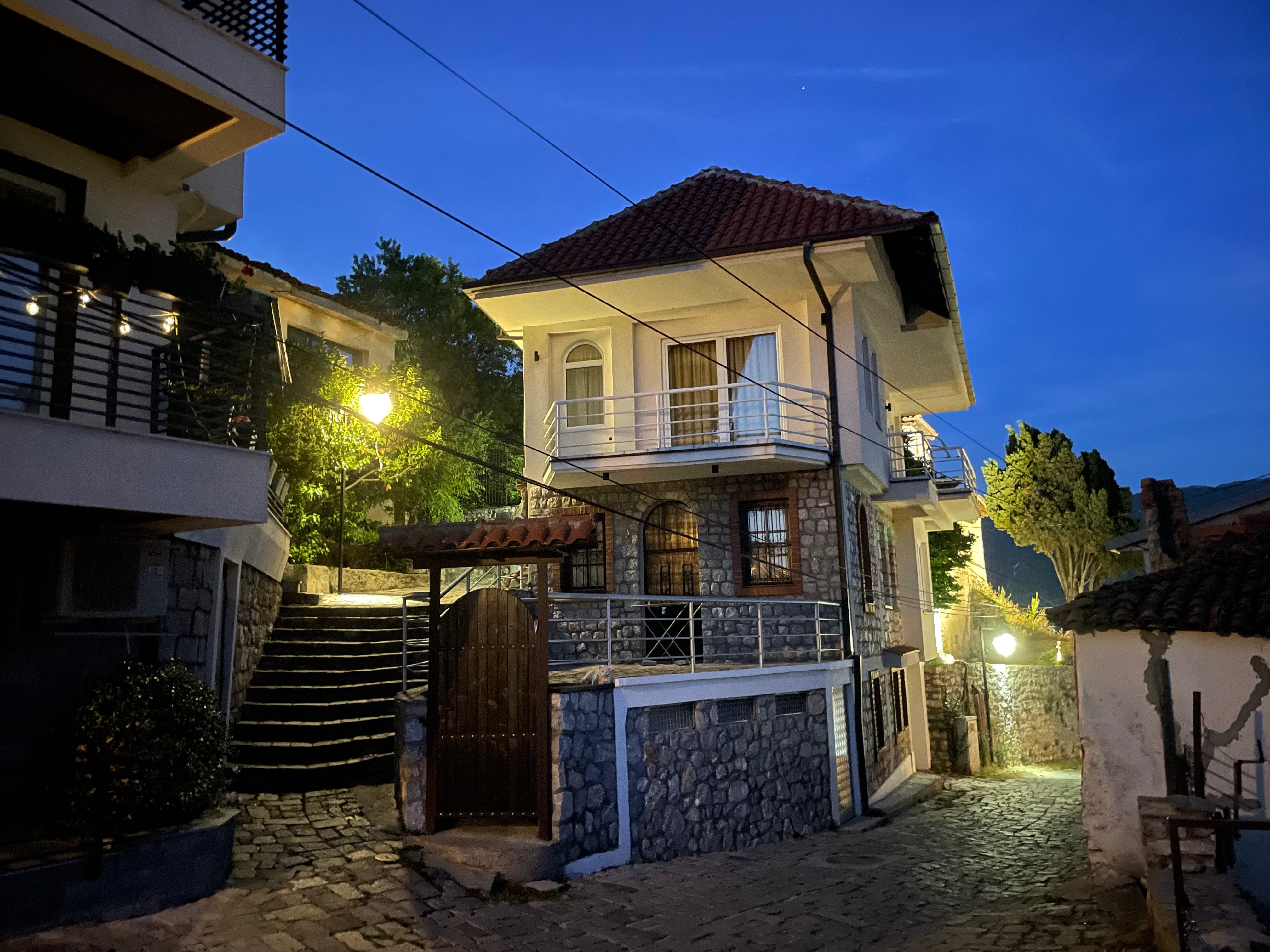
Wandering through the old city at night:
Same as above. Notice the chapel in the background:
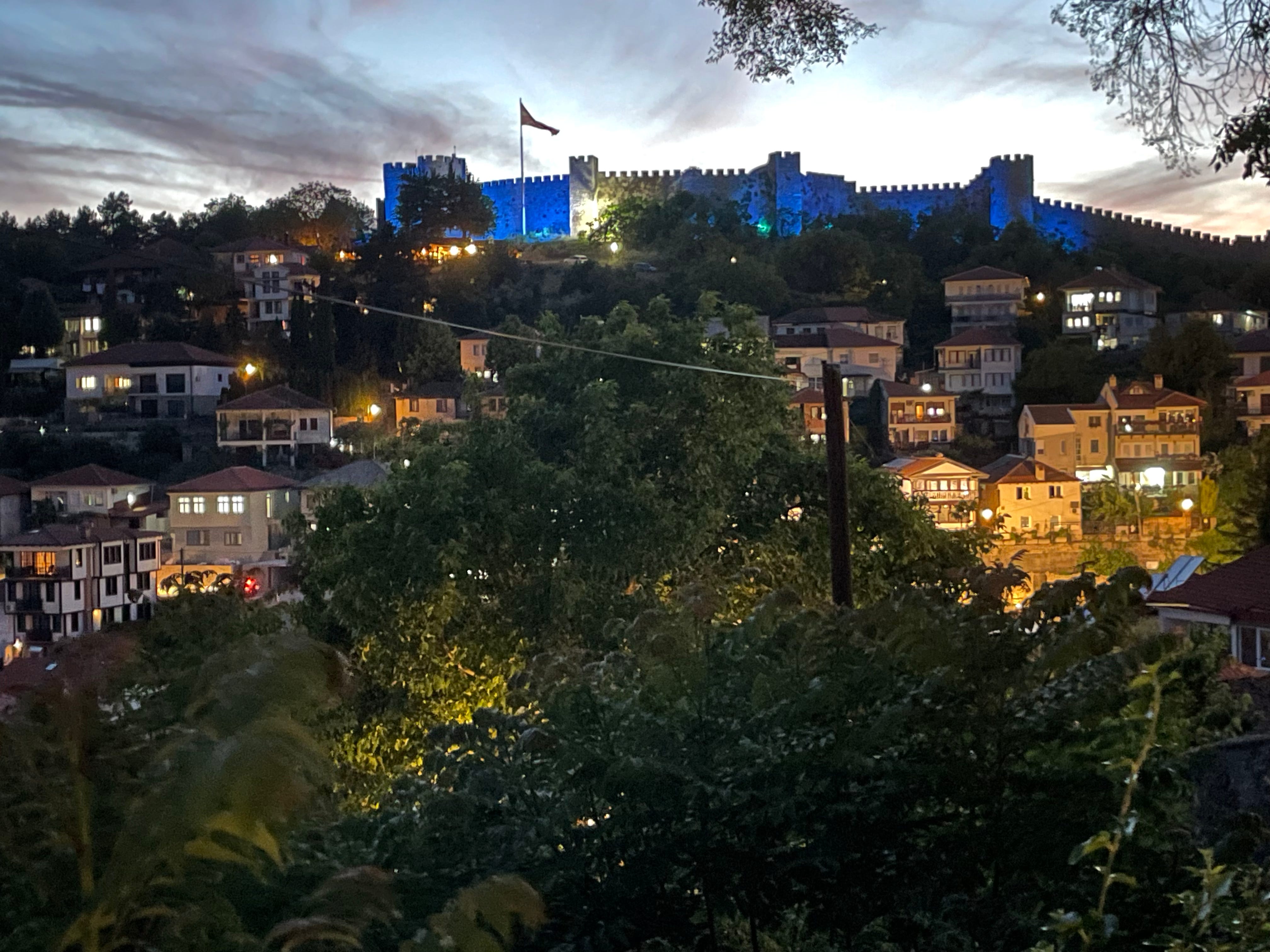
Samuel’s Fortress, capital of the medieval First Bulgarian Empire. It was likely built on an older structure dating from around 300 BCE, constructed by Philip II. What you see here dates from sometime in the late 900s CE:
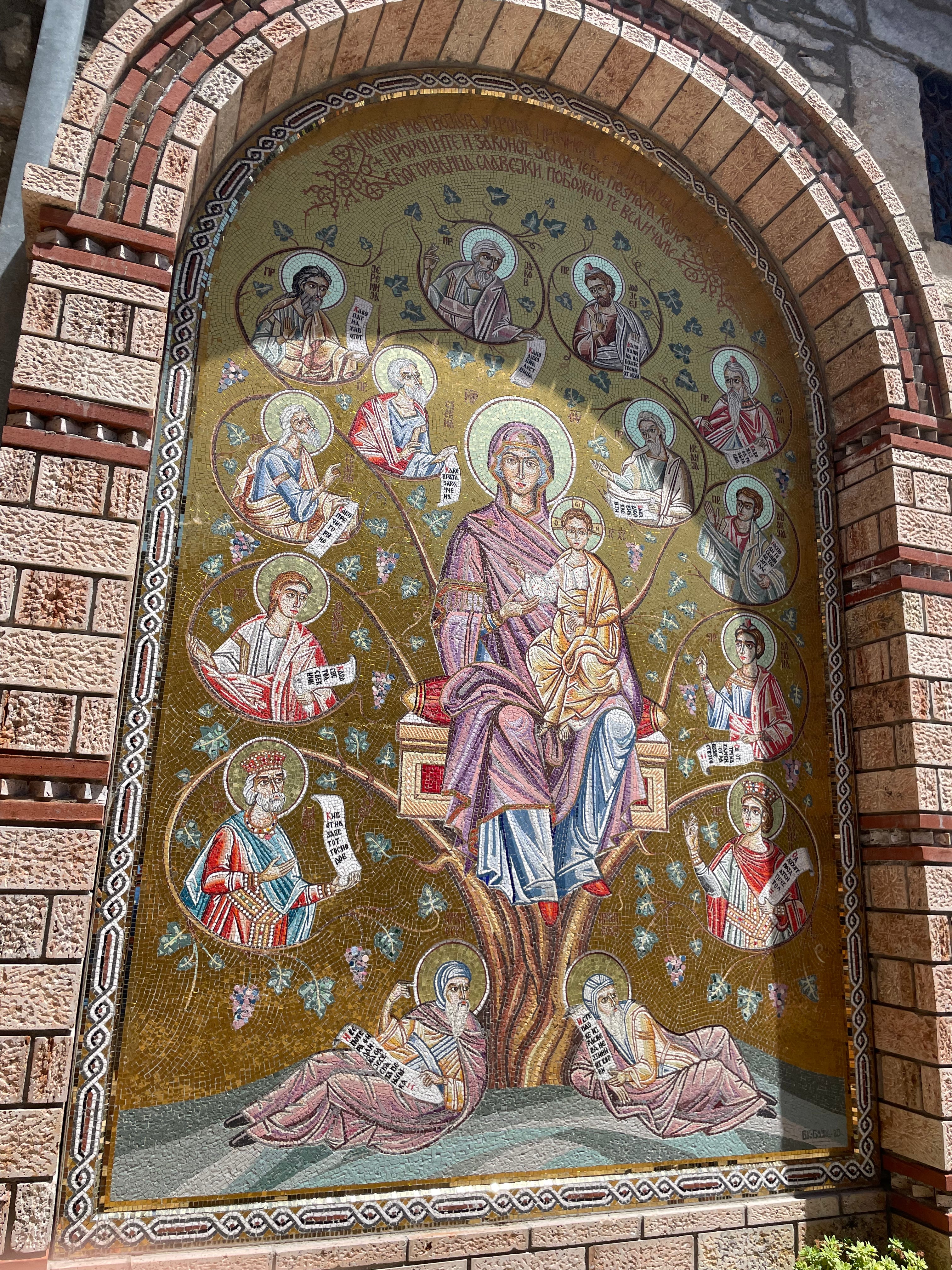
At another chapel:
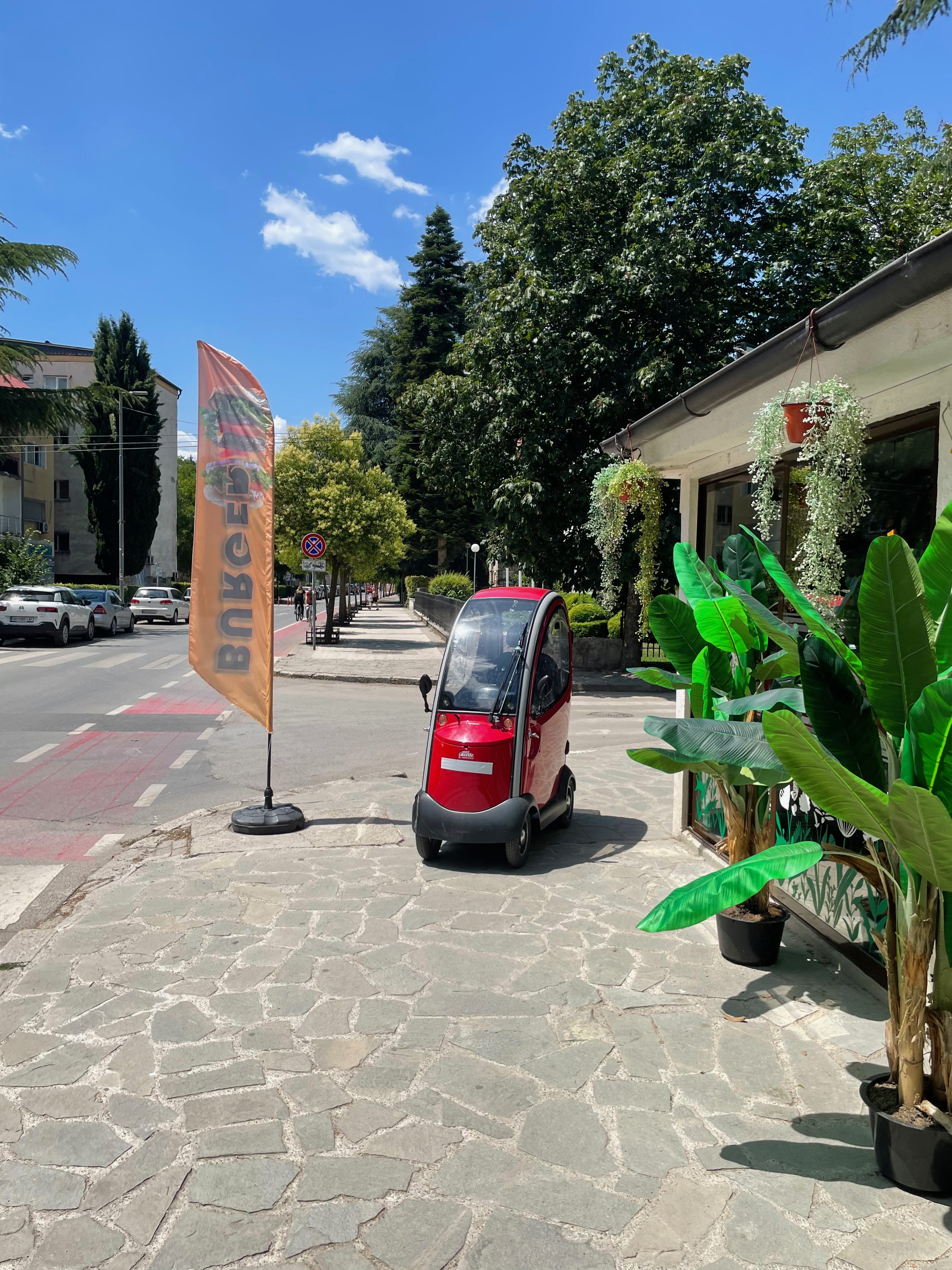
I sent this to my family with the comment: “I hate how compelling this slogan is!”

Adorable — but how often does it tip over while turning?
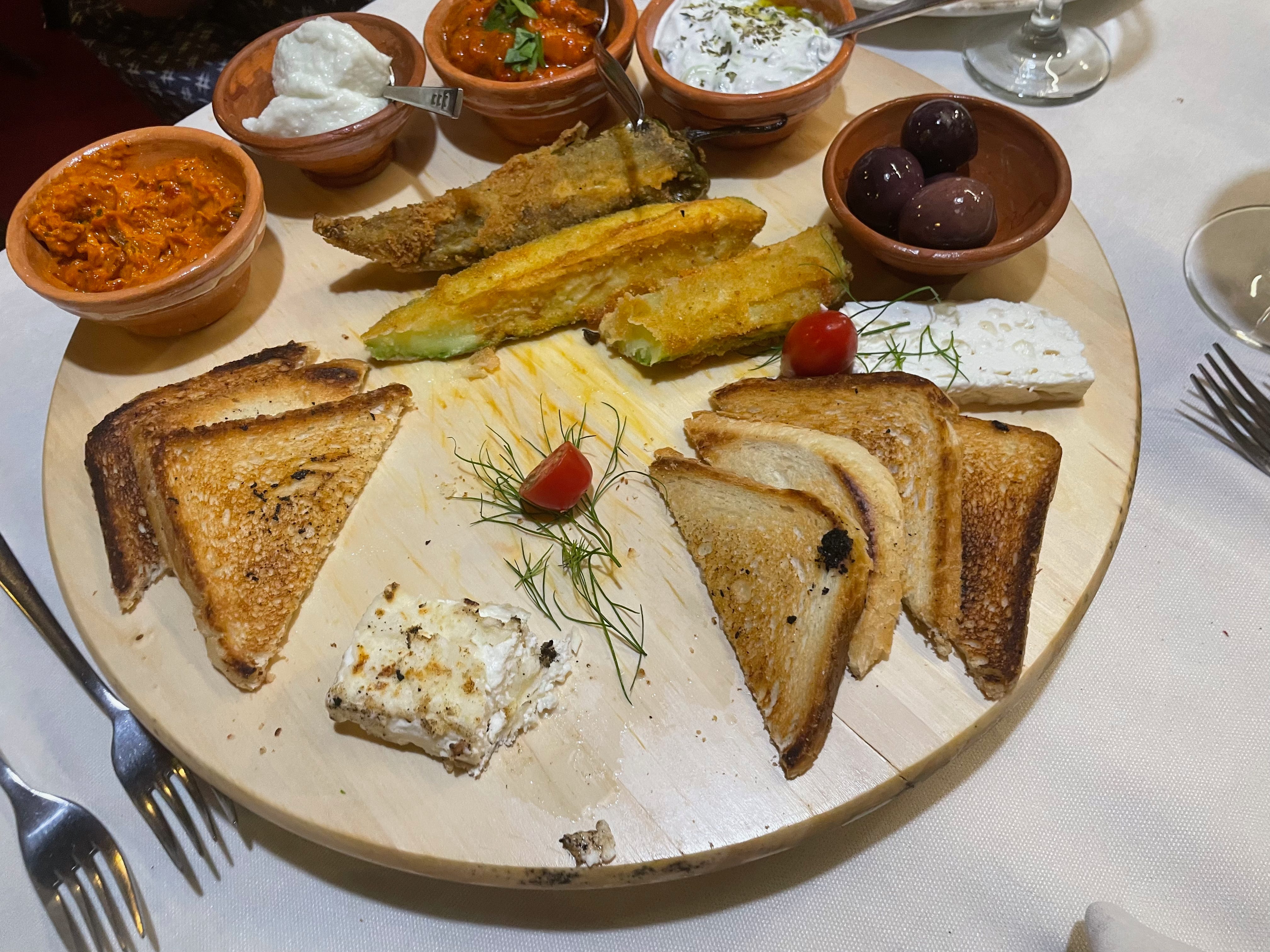
Macedonian special:
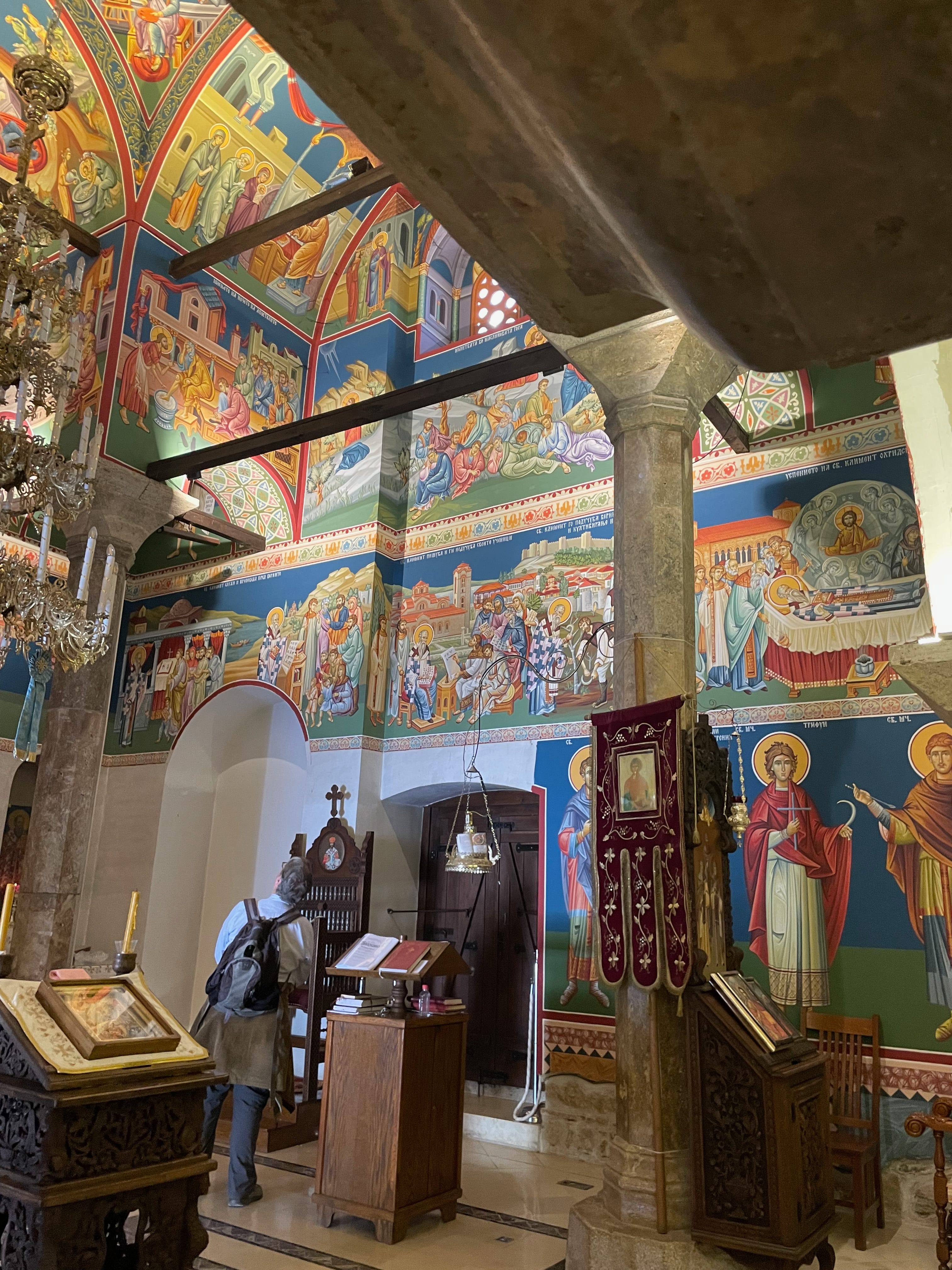
Inside one of the chapels:
These events were held quite frequently while I was here:
As always:
Thanks for reading and I’ll see you on the other side!
How lovely! This is close to where we live. Actually, it was the left wing Syriza government that made the deal with North Macedonia, and was denounced as traitors by the now governing party for that. (But then they left the deal anyway because they new it made sense.) And it's not that historically Macedonia comprised all of Greece. There is a Greek province of Macedonia where also the palace of Philipp was located.
The history is even more complicated, as there is a Slav minority in northern Greece which they call Slavomakedones. The village next to where my wife is from is one of the those. The language has been fiercely suppressed by the various military dictatorships, but the tradition lives on in the distinct music they play at local feasts.
How beautiful! Thank you for sharing photos and history. Also, love that little teensy car!